The construction and mining equipment industry is the quiet achiever on carbon emissions reduction, according to the head of the industry’s peak body.
David Birrell, CEO of the Construction & Mining Equipment Industry Group (CMEIG), says the sector is working closely with government on an analysis of non-road diesel emissions, but even before a new lower emissions plan is agreed, industry has already come a long way.
“There has been technological improvement, independently made by industry, since the 2008 commencement of the analysis. In some ways this industry has been a quiet achiever in reducing emissions. Even without the level of scrutiny that the on-road vehicle industry faces, we are making real and significant contributions to emissions reduction.”
In particular, he says the sector is leading the way on hybrid technology.
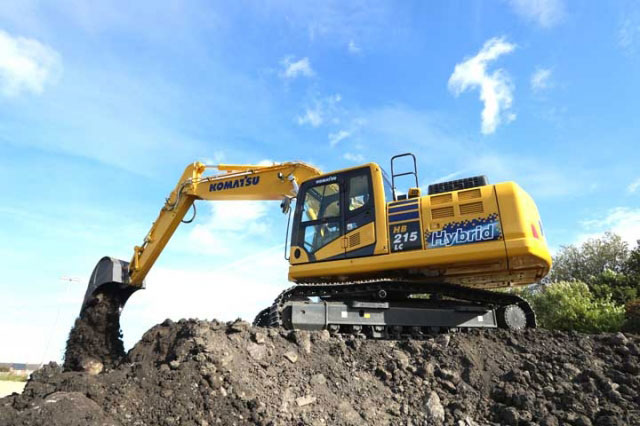
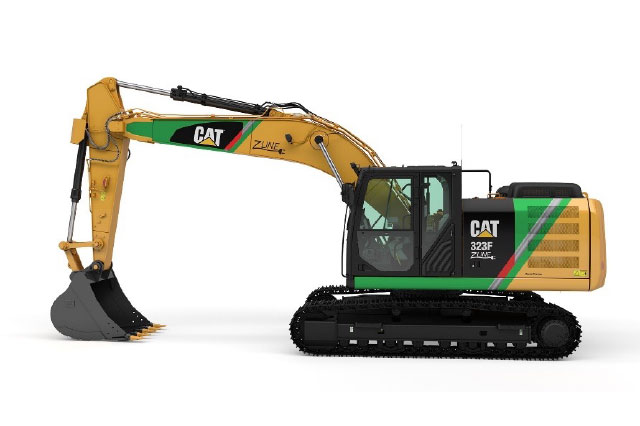
One technology that is lowering emissions has been the industry’s pioneering of hybrid technology.
In a conventional excavator, engine output is converted entirely into hydraulic energy, with only approximately 13.3% of this energy being effectively used during typical operations.
The remainder of the energy is discarded as heat due to conversion, pressure and transmission losses.
By contrast, in a hybrid excavator, engine output is converted into both electrical and hydraulic energy, so energy conversion and transmission losses are reduced, and kinetic energy is regenerated.
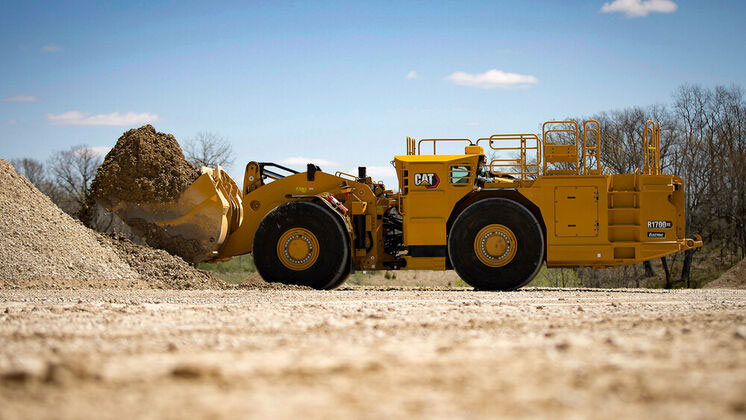
Electric powered equipment may be using battery packs or solid-state batteries designed to outperform the lithium-ion batteries used in all current electric vehicles.
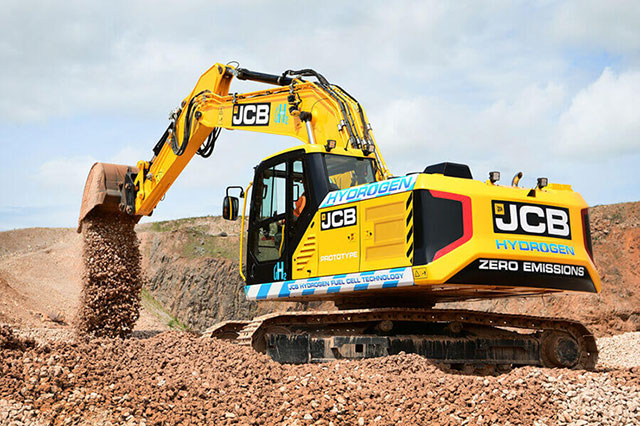
Hydrogen fuel cell-powered construction equipment options are also being introduced.
Dean Gaedtke, Executive General Manager (Construction) at Komatsu & Chairperson for CMEIG says the industry has already started the journey towards net-zero. “I see a very positive sustainable future in our industry because the machinery manufacturers are continuing to develop or adapt technology to meet the net-zero challenge.”
“We welcome the challenges and opportunities of being a contributor toward a more sustainable future. There’s more to be done through further emission reductions and through the embracing of new technologies, and we’re excited by the possibilities.”
David Birrell says CMEIG looks forward to working with the Federal Government on a regulatory framework that supports the improvements industry is making.
“All in all, CMEIG members are engaged and moving proactively toward a net-zero carbon future.”